Expanding Conservation Along the West Branch Union River
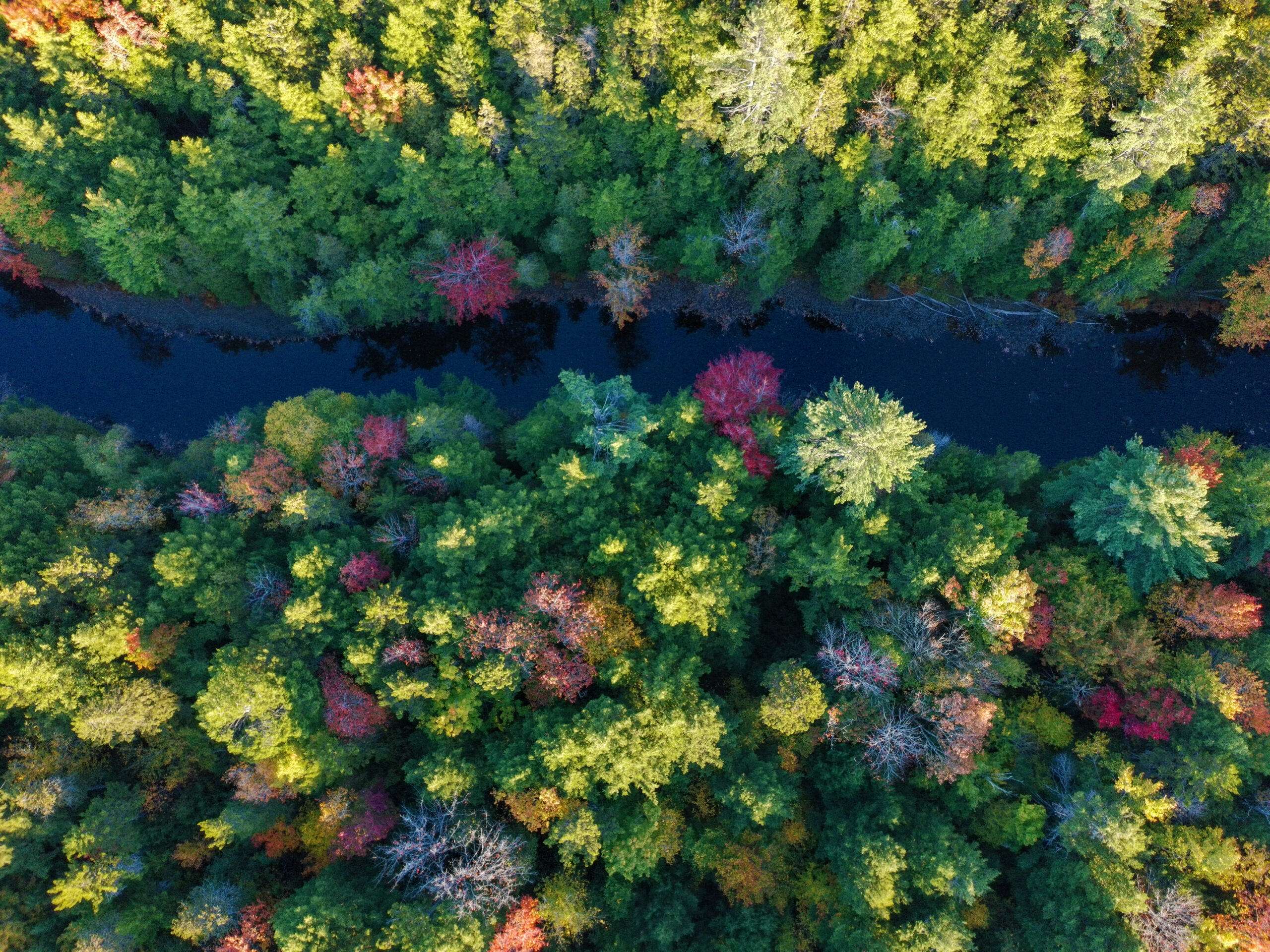
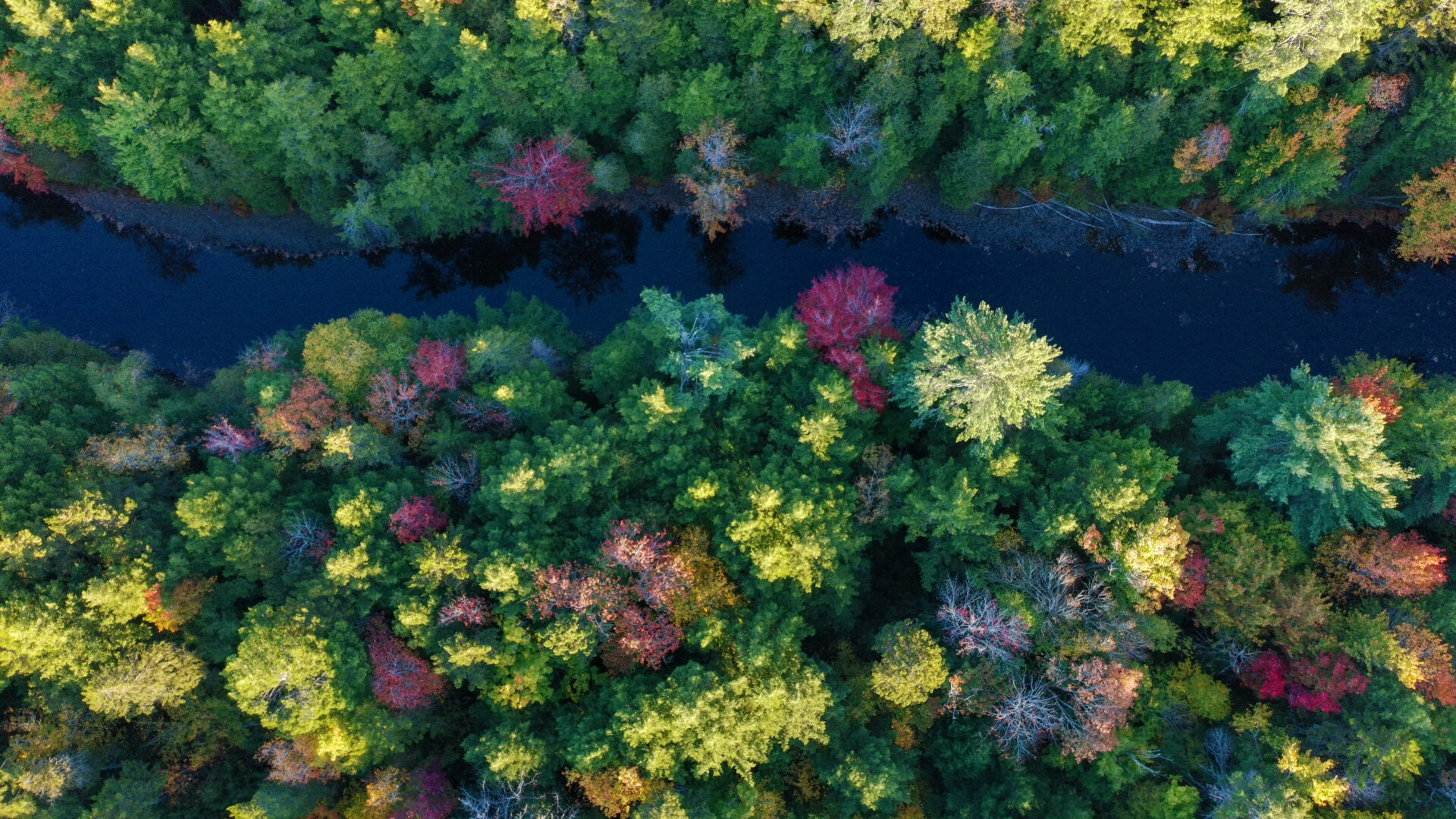
Frenchman Bay Conservancy has expanded the Captains Roll Conservation Easement in Amherst, conserving an additional 233 acres along the West Branch Union River. The extension permanently protects more than 2,000 feet of river frontage from future subdivision and development, adding another important piece to a growing corridor of conserved land along the West Branch.
Part of a Larger Conservation Story
These 233 acres are significant on their own, but their greatest impact comes from where they are located.
From Graham Lake to Great Pond, 13 miles of the West Branch have been identified by Maine’s Beginning with Habitat program as an ecological focus area of statewide significance. Much of this stretch remains undeveloped, creating a connected river corridor that provides important habitat for several rare and threatened species.
Keeping these lands connected and undeveloped helps protect not only the river itself, but also the forests, wetlands, shorelines, and other habitats that surround it. Each additional property conserved along the West Branch strengthens that larger network.
For Frenchman Bay Conservancy, the Captains Roll extension represents another step toward a long-term goal: conserving the lands along the West Branch so that this remarkable river can remain wild for generations to come.
Protecting Private Land for the Future
The Captains Roll property will remain privately owned. Its permanent protection is possible through a conservation easement — one of the tools FBC uses to work with landowners who want to protect the conservation values of their property while continuing to own and use their land.
Through a conservation easement, a landowner voluntarily agrees to permanently limit certain types of development or land use. The land can still be passed down to family members or sold to a new owner, but the protections established through the easement remain with the property.
In this case, the extension to the Captains Roll Conservation Easement prevents future subdivision and new development along more than 2,000 feet of the West Branch, helping maintain the undeveloped character of this section of the river.
Partnerships with private landowners are an important part of conserving larger, connected areas like the West Branch. Rather than protecting isolated parcels, conservation easements can help maintain connections between forests, waterways, wetlands, and other habitats across property boundaries.
Why “Captains Roll”?
The conservation easement takes its name from Captains Roll, a Class III rapid on the West Branch Union River.
The river is known to whitewater paddlers, but the easement also allows public access for activities including walking, fishing, and nature observation. Because the property remains privately owned, FBC will not advertise its exact location. Visitors who access the area are asked to respect the land, its owners, and the natural resources the easement was created to protect.
Keeping the West Branch Wild
The West Branch Union River is remarkable in part because so much of it remains undeveloped. Traveling along the river, stretches of forested shoreline offer a glimpse of what Maine’s rivers have looked like for generations — and what they can continue to look like when the lands around them remain intact.
That is what makes each conservation project along the West Branch meaningful. Protecting 233 acres here is not simply about drawing a boundary around one property. It is about adding another piece to a much larger effort to maintain a connected river corridor where wildlife can find habitat, people can experience the outdoors, and the river can continue to flow through an undeveloped landscape.